


Introduction
Water is one of Earth’s most vital yet limited resources. With climate change, urbanization, and industrial growth accelerating demand, conserving water has become a global priority.
Water conservation is not just about cutting costs — it is about protecting health, ensuring sustainability, and preserving the planet’s most precious natural resource.
At Aqua Flair Trading LLC, a water treatment company in Dubai, the focus includes efficient water management practices and solutions that help homes, businesses, and industries use water more responsibly.
Why Water Conservation Matters Now
Water scarcity is one of the most pressing challenges of our time. Without effective conservation measures, communities face health risks, agricultural strain, industrial disruption, and environmental damage.
Conserving water helps protect:
- Public health through more reliable access to clean water
- Crop yields and food security
- Industrial continuity where purified water is essential
- Rivers, wetlands, and biodiversity
- Long-term community and economic stability
- Groundwater and freshwater reserves for future generations

Conserving water supports a more stable future for communities, industries, and the environment alike — especially in arid regions with limited natural freshwater sources.
The Bigger Picture: Why Every Drop Counts
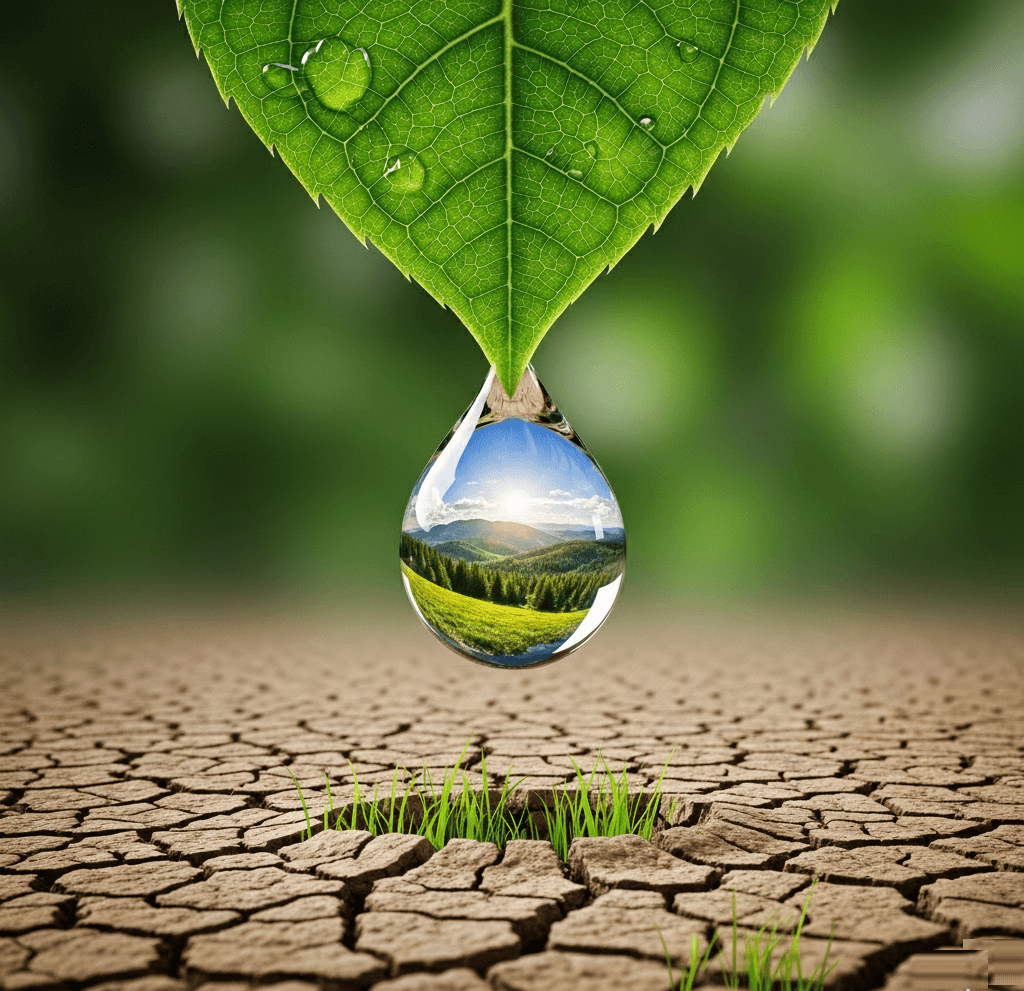
Every drop of water holds immense value. Conserving water contributes to health protection, food and water security, industrial efficiency, and environmental protection for rivers, lakes, and groundwater.
In the UAE, arid climate and limited natural freshwater sources make scarcity a practical challenge. Conserving water supports long-term sustainability and economic growth, while technology such as RO, recycling units, and smart monitoring helps stretch every liter further.
Key Risks and Common Causes of Waste
Health risks from unsafe scarcity
Lack of clean, safe water increases the spread of diseases caused by bacteria, viruses, and pollutants.
Agricultural impact and food pressure
Reduced water availability affects crop yields and food security when irrigation and soil management are inefficient.
Industrial disruption
Many manufacturing and processing industries rely heavily on purified water; shortages can halt production and cause financial loss.
Environmental degradation
Depleting water sources damages rivers, wetlands, and ecosystems, threatening biodiversity.
Everyday waste drivers
Leaks, over-irrigation, inefficient appliances, and lack of awareness are primary causes of water waste at home and in industry.
What Helps — and What Does Not
Conservation succeeds when practical habits and treatment technology work together. Reuse and efficiency reduce demand; ignoring leaks and outdated systems quietly undo progress.

What helps
- Fixing leaking taps, pipes, and toilets immediately
- Installing water-efficient faucets, showerheads, and appliances
- Collecting rainwater for gardening or cleaning and running full laundry or dishwasher loads
- Industrial recycling, RO and UV treatment for safer reuse, smart meters, and leak detection
- Agricultural drip irrigation, moisture sensors, and climate-adapted crops

What does not help
- Leaving leaks unfixed while they drain supply year after year
- Running half-empty washers and dishwashers as a routine habit
- Over-irrigating without moisture data or efficient delivery
- Treating wastewater as unusable when proper RO, filtration, and UV treatment can support non-potable reuse
- Expecting technology alone to compensate for community-wide waste
Properly treated water using advanced filtration, RO, and UV systems can be reused safely for non-drinking applications such as cleaning, cooling, and irrigation — reducing overall consumption.
Actions That Make Every Drop Count
Households, industries, farms, and communities each have concrete steps that add up:
- Start with home efficiency— fix leaks, upgrade fixtures, reuse rainwater, and wash full loads
- Reuse where industry canwith recycling processes, RO/UV treatment, smart metering, and water-saving cooling approaches
- Irrigate with precisionusing drip systems and moisture sensors instead of blanket watering
- Build community awarenessin schools, neighborhoods, and workplaces so conservation becomes shared practice
- Use treatment technology wisely— RO systems, recycling units, smart monitoring, and efficient membranes reduce waste and support reuse

Awareness is the first step toward action. Combining sustainable practices with modern treatment keeps conservation practical rather than abstract.
Frequently Asked Questions
Due to its arid climate and limited natural freshwater sources, the UAE faces scarcity challenges. Conserving water supports long-term sustainability and economic growth.
RO systems treat and purify water efficiently, allowing wastewater to be reused for irrigation or industrial applications and reducing overall water consumption.
Leaks, over-irrigation, inefficient appliances, and lack of awareness are the primary causes of water waste at home and in industries.
Yes. Properly treated water using advanced filtration, RO, and UV systems is safe for non-drinking applications like cleaning, cooling, and irrigation.
As a water treatment company in Dubai and RO membrane supplier in the UAE, Aqua Flair offers technologies and expertise to help homes and industries reduce waste and reuse water safely.
Conclusion
Water conservation is not only an environmental initiative — it is a shared responsibility that shapes our collective future. Every household, business, and industry has a role in preserving this life-giving resource.
By combining awareness, sustainable practices, and modern technology, we can strengthen water security for generations to come. Partnering with Aqua Flair supports the mission to save every drop, because the future depends on it.
Share this story


