


Introduction
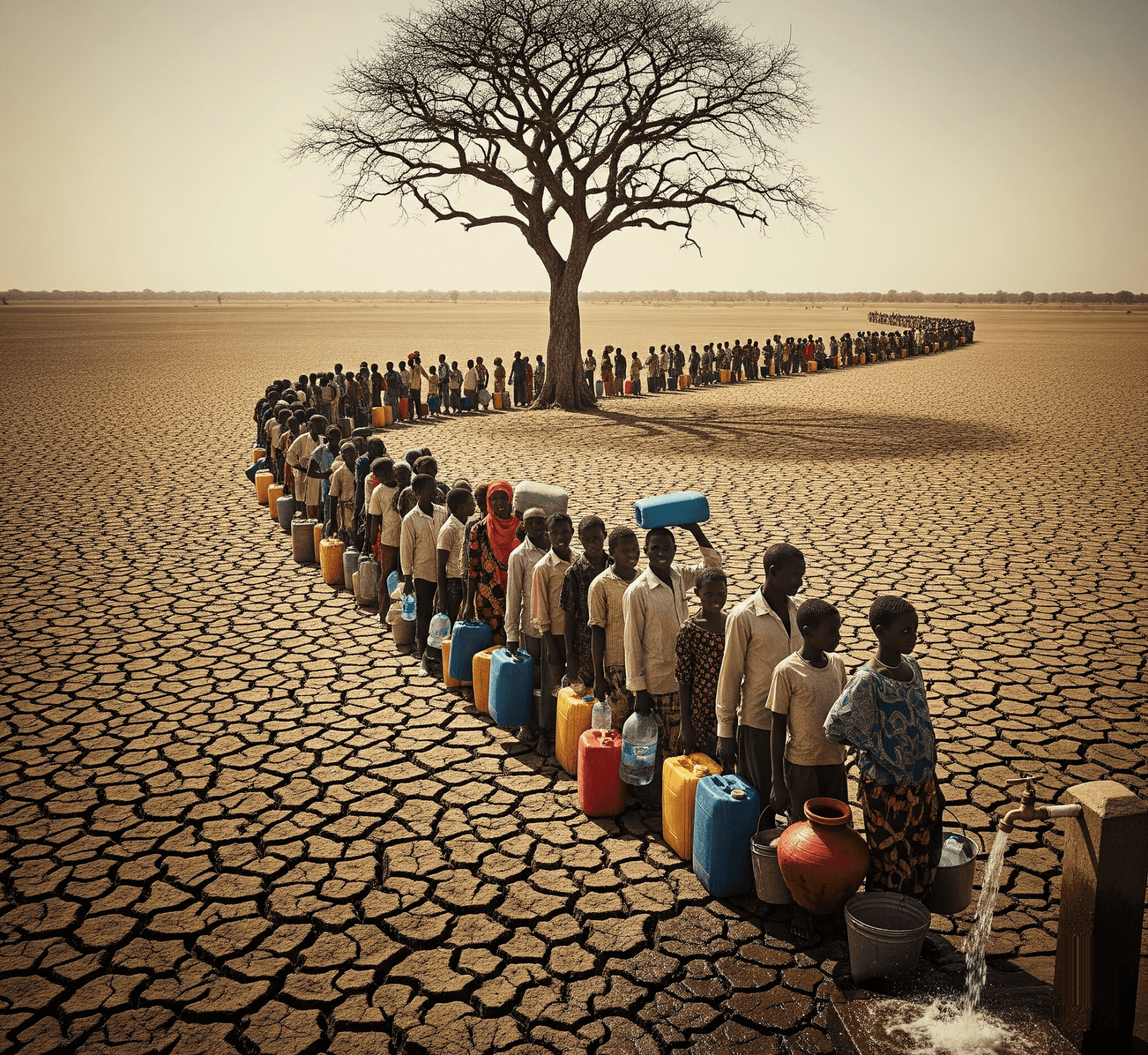
Water is the foundation of all life, yet millions of people across the globe face water scarcity every day. From drought-affected regions to expanding urban areas, the growing demand for clean, safe water is straining natural resources.
As a water treatment company in the UAE, Aqua Flair Trading LLC is focused on sustainable water solutions while raising awareness about responsible water usage and conservation.
Water scarcity occurs when demand exceeds available supply. It is not only about a lack of rain — it combines environmental, social, and industrial factors that reduce usable freshwater and increase stress on communities and businesses.
Why Addressing Scarcity Matters Now
According to the United Nations, over 2 billion people live in countries facing high water stress. That scale makes conservation and advanced water treatment urgent — not optional extras.
Acting on scarcity helps protect:
- Public health through safer treated drinking water
- Agricultural productivity and food security
- Industrial operations that depend on reliable water
- Rivers, wetlands, and aquatic ecosystems
- Community access to usable freshwater
- Long-term water security for households and businesses

Scarcity impacts health, agriculture, industry, and environmental balance at once. Technology and daily habits both have a role in reducing pressure on limited supply.
The Bigger Picture: What Drives Water Scarcity
Climate change brings unpredictable rainfall and prolonged droughts that reduce freshwater availability. Population growth and rapid urbanization have increased consumption dramatically, while pollution of rivers, lakes, and groundwater shrinks the share of water that is safe to use.
Inefficient usage in homes, agriculture, and industries also contributes significantly to depletion. In the UAE specifically, scarcity is linked to low rainfall, high evaporation rates, and rising demand from growing populations and industries.
Key Facts and Pressures Behind Scarcity
Demand outpacing supply
Water scarcity occurs when water demand exceeds the available supply — a structural gap that climate, growth, pollution, and waste can all widen.
Public health consequences
Limited access to clean water increases the risk of waterborne diseases. Proper water treatment can eliminate harmful pathogens and support safer drinking water.
Agriculture and food security at risk
Crops and livestock depend heavily on freshwater. Scarcity threatens agricultural productivity and can increase food insecurity in vulnerable regions.
Industrial cost and efficiency pressure
Manufacturing, energy, and food processing operations that rely on large volumes of water face higher costs and reduced efficiency without reliable treatment infrastructure.
Environmental imbalance
Diminishing freshwater levels harm rivers, wetlands, and aquatic ecosystems, contributing to biodiversity loss and ecological imbalance.
Everyday wastage still adds up
Inefficient usage at home, in agriculture, and in industry contributes significantly to depletion — including leaks that can waste thousands of liters per year.
What Helps — and What Does Not
Combating scarcity requires both treatment technology and conservation habits. Tools that purify, recycle, and dose accurately help stretch limited resources; habits that ignore waste undo those gains.

What helps
- Reverse osmosis to purify brackish or saline water and reduce dependency on limited freshwater sources
- Precise chemical dosing with injecta dosing pumps to maintain water quality and help prevent scaling or bacterial growth
- Durable FRP pressure vessels that are lightweight and corrosion-resistant in harsh treatment environments
- Filtration and softening systems that reduce hardness and contaminants
- Conservation steps such as efficient use, rainwater harvesting, leak repair, drip irrigation, and community awareness

What does not help
- Treating scarcity as only a rainfall problem while ignoring pollution and waste
- Relying on technology alone without reducing inefficient usage
- Leaving minor leaks unfixed while they waste large volumes over time
- Expanding consumption without recycling, reuse, or treatment where appropriate
- Waiting for a single actor — only government, only industry, or only households — to solve the problem
A unified effort across policy, industrial innovation, and public participation is what turns awareness into lasting water security.
Steps Everyone Can Take
While technology is essential, sustainable habits are equally important. Individuals and organizations can contribute by:
- Reduce wasteby using water efficiently in homes, offices, and factories
- Harvest rainwaterfor irrigation or cleaning where practical
- Fix leaks promptly— even minor leaks can waste thousands of liters per year
- Support sustainable agriculturewith drip irrigation and moisture sensors that cut water loss
- Share awarenessso communities understand why saving water daily matters

Aqua Flair combines awareness, education, and tailored treatment systems so businesses and households across the UAE can manage resources more responsibly while maintaining access to clean water.
Frequently Asked Questions
Water scarcity in the UAE is primarily due to low rainfall, high evaporation rates, and increasing demand from growing populations and industries.
RO systems purify brackish or saline water, converting it into clean, safe drinking water. This helps reduce dependency on limited freshwater sources.
FRP vessels are lightweight, corrosion-resistant, and long-lasting, making them ideal for both residential and industrial filtration systems.
They ensure precise chemical dosing, helping prevent scaling and microbial growth while supporting consistent water quality across treatment processes.
As a water treatment company in the UAE, Aqua Flair offers RO membranes, dosing pumps, and FRP vessels aimed at efficient and sustainable solutions for a wide range of water needs.
Conclusion
Water scarcity is one of the most pressing challenges of our era, impacting health, food security, and global stability. Every drop counts — and by embracing sustainable technologies and responsible practices, we can secure more of our water future.
Aqua Flair Trading LLC offers reverse osmosis systems, Injecta dosing pumps, and FRP pressure vessels in the UAE to support reliable, efficient water management across sectors. Conserving, treating, and protecting water is a shared responsibility.
Share this story


